

This painting, circa 1938, by famed Utah artist LeConte Stewart, is entitled “Deserted Home, Kamas”.
Research suggests that L.E. Fitch, a carpenter-builder who specialized in Eastlake-style architecture and built many homes throughout Kamas Valley and beyond, may have built the house for George Fredrick Reynolds.
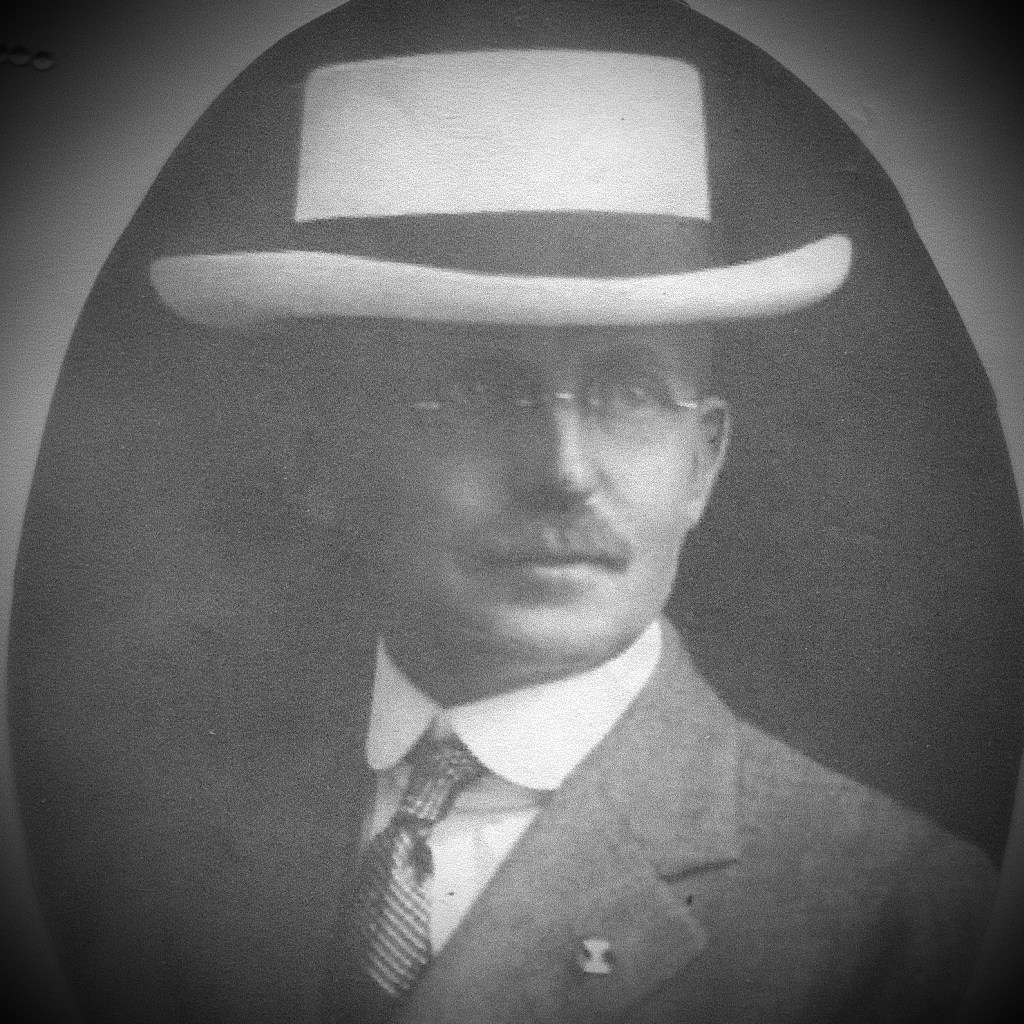
George Fredrick (or Frederick George) Reynolds was born in 1850 in England, the youngest son of Maria Mills and Henry George Reynolds. He came to America in 1860 with his father, stepmother, brother and sister, travelling in the Warren Walling Company, and settled in Wanship.

George married Melvina Josephine Eskelson (daughter of James and Sophie Eskelson of Francis) in 1871 and by 1878 they were living in Woodland. They had eight children, only four of whom survived to adulthood. After George’s death in 1909, Melvina remarried and the house was sold to the Stewart family.
William Mitton Stewart had come to Woodland in 1900 and fallen in love with Pine Valley. He and his brothers – Samuel White, Charles Biekley and Barnard Joseph – founded the Stewart Ranch, one of the first and largest “recreational” ranches in Utah, in 1907.

The Stewart Ranch was never profitable, however, and after the death of Barnard in 1931, Lester Franklin Hewlett and his brother Vern, bought the Stewart Ranch. The Hewlett brothers were sons of Orson Henry Hewlett, one of the founders of Hewlett Brothers Co., founded in 1887.
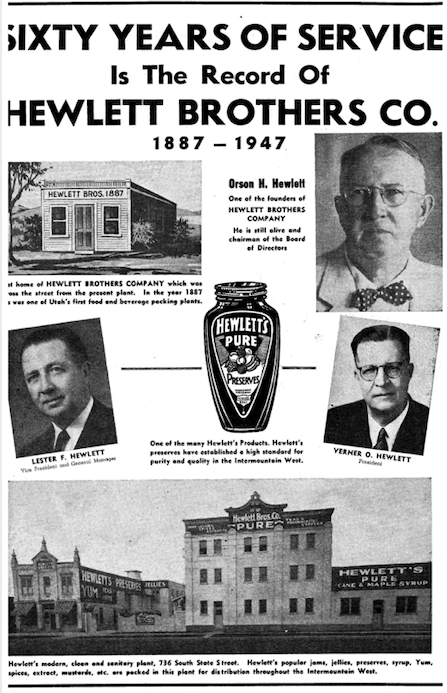
Les was married to Charles Biekley Stewart’s daughter, Margaret, and had just built a summer home on the property. Les and Vern ran the ranch as a highly respected dairy, sheep and cattle operation until 1956, when they sold most of the property to Edward Clyde, a prominent lawyer from Heber.
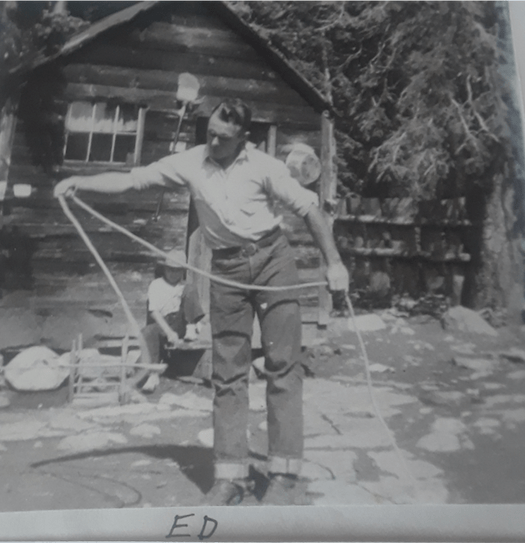
At the same time, Les’s brother-in-law, Isaac (Ike) Mitton Stewart bought a portion of the land, including the Reynolds farmhouse. Ike was the sixth child and third son of Charles Biekley Stewart and Katherine Romney, born in Salt Lake in 1904.

Ike is the baby at top right
Ike studied at UCLA and George Washington University, and practiced law in Utah and Washington DC. During his life time he was Senator for Utah and was involved with prestigious companies such as Union Carbide and Consolidated Freightways, as well as with the Manhattan Project. He married June Woodruff, daughter of Apostle Abraham Owen Woodruff, in 1927, and the couple had five children.
The Reynolds house became staff quarters for the Stewart/Hewlett Ranch. The last person to live there was Charles Herman (Herm) Cooley.
Herm was born in 1893 in Arizona to Frances Isabell Rodeback and Osborn Benjamin Cooley. He grew up in Pacheco, Mexico, only returning to the US in 1912 to escape the Mexican Revolution. He married Vimva Pearl Mills in 1917 and the family moved around for years before Herm finally found full-time employment for the Hewlett Brothers at the Stewart Ranch.

It was around this time that the painting was done, and the house was in poor condition. Herm wrote: “My wife was really disappointed at the sight of the place and she really cried. All the people in Woodland expected us to leave soon, as no other man had ever stay [sic] very long.”

Herm died in 1994 and is buried in Francis.
The house then stood empty for several years before being burnt to the ground in February 2020 as a result of arson.
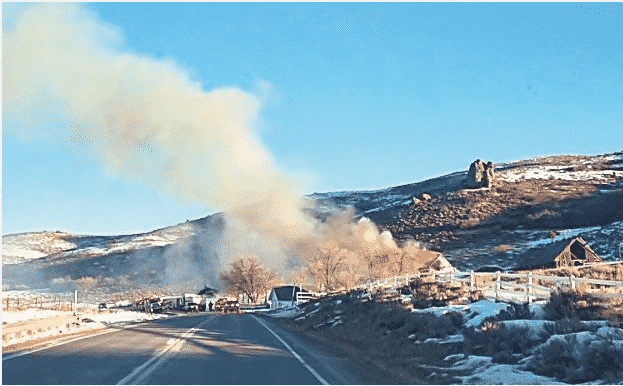
The site is now being redeveloped.
There is one last Stewart link to this story.

LeConte Stewart, the painter of the image that started this story, was a grandson of Isaac Mitton Stewart though Isaac’s first wife, Mathilda Jane Downs. The Stewart brothers who owned the Stewart Ranch were Isaac’s grandsons through his third wife, Elizabeth White. So it’s possible that LeConte was visiting his cousins when he discovered the building that inspired the painting.
Sources
- LeConte Stewart: Masterworks by DL Poulton et al
- There’s Something About This Valley by Tom Clyde
- Peace Like a River by David H. Epperson
- family search.org
- Chronicling America
 Kamas Valley History Group